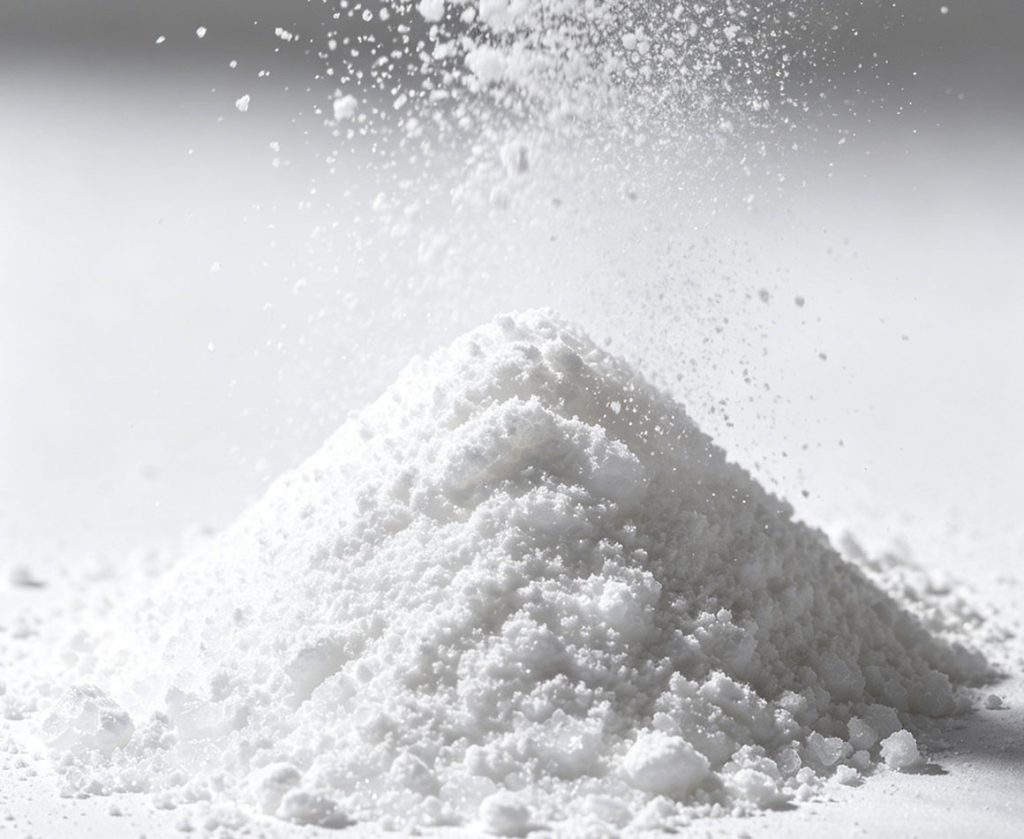
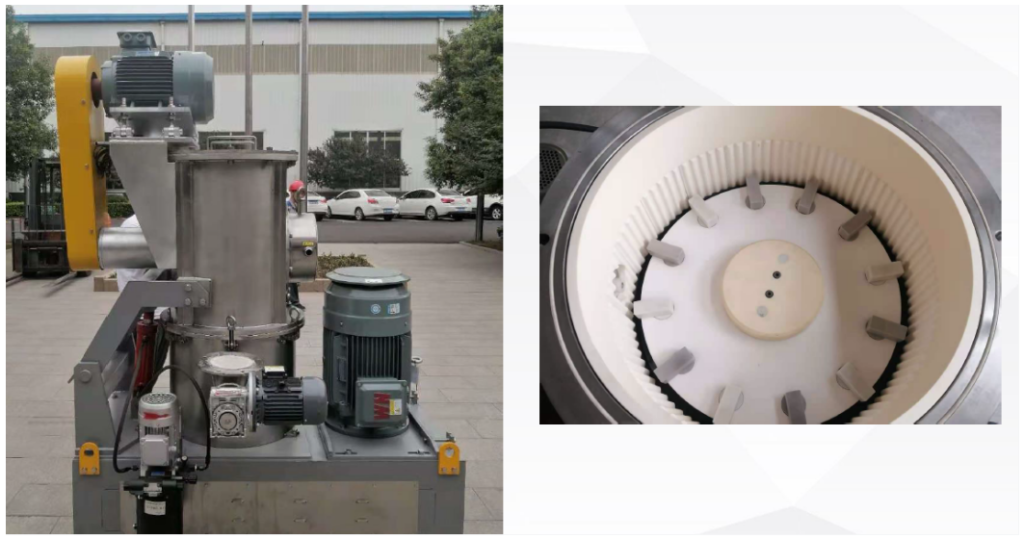
Silicon powder and LTCC glass powder are widely applied in copper clad laminates (CCL) as key functional inorganic fillers.
In CCL production, they are mainly used to adjust the thermal and mechanical performance of the resin matrix. Silicon powder effectively reduces the thermal expansion coefficient of the laminate, improves dimensional stability at high temperatures, and enhances heat resistance, which helps prevent warping and delamination during PCB processing and service.
LTCC glass powder, on the other hand, promotes ceramic-like performance at relatively low sintering temperatures. It improves the insulation properties, dielectric stability, and bending strength of copper clad laminates, making them more suitable for high-frequency, high-speed, and high-density electronic circuits.
Together, these two powders optimize heat dissipation, lower dielectric loss, improve flame retardancy, and reduce material cost. They have become essential fillers for manufacturing high-performance CCL, which is widely used in 5G communication base stations, automotive electronics, consumer electronics, and high-density integrated circuits.